

BPC-157 is a synthetic peptide derived from a protein found in human gastric juice, and it has built its reputation on one thing: helping the body repair damaged tissue faster. Tendons, ligaments, muscle, and the gut lining all fall within its range, which has made it one of the most studied and most sought-after peptides in the recovery world.

What BPC-157 actually is
BPC stands for Body Protection Compound. The peptide is a chain of 15 amino acids, a partial sequence of a larger protein that occurs naturally in the stomach. Researchers first took interest because that parent protein appeared to protect and heal the gut, so they isolated the active fragment and began testing it on injuries throughout the body.
One of its most useful traits is stability. Most peptides break down quickly in stomach acid, which is why so many require injection. BPC-157 holds up far better, and that durability is a big part of why it has been studied so widely.
What it’s used for
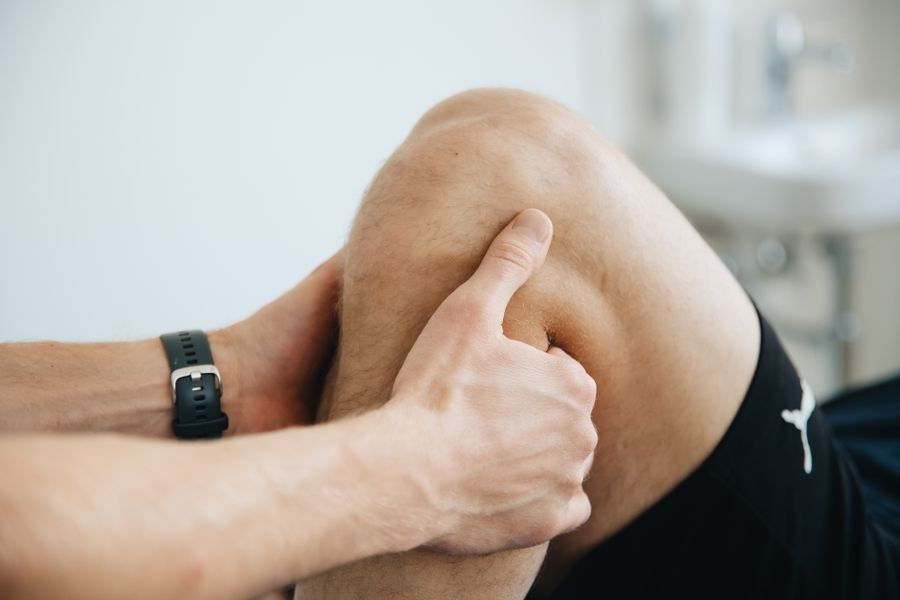
BPC-157 has built its following on recovery. People turn to it for the kind of stubborn injuries that drag on for months: a nagging tendon, a joint that will not settle, a muscle tear that keeps coming back. Across the research, the consistent theme is accelerated healing of connective tissue.
The strongest findings cluster around three areas:
- Tendon and ligament repair. In rat models of Achilles tendon injury, BPC-157 has produced faster restoration of biomechanical strength and structural integrity than untreated controls, with earlier collagen organization and greater fibroblast activity.
- Muscle healing. In studies on crushed and torn muscle, treated subjects recovered structure and function noticeably faster.
- Gut healing. Given where it comes from, the gut is one of its most studied areas. BPC-157 has shown strong protective and healing effects on the stomach and intestinal lining, and it has been investigated as a promising avenue for inflammatory bowel conditions.
How it works
The mechanism that comes up again and again is angiogenesis, the growth of new blood vessels. Healing tissue needs a strong blood supply to deliver oxygen, nutrients, and growth factors, and BPC-157 appears to switch on the signals that build those vessels. A 2009 study by Brcic and colleagues in the Journal of Physiology and Pharmacology found that BPC-157 drove angiogenesis and raised VEGF (vascular endothelial growth factor, the body’s main signal for new vessel growth) in muscle and tendon injury models.
There is more to it than blood vessels. Research on tendon fibroblasts, the cells that build and maintain tendon tissue, shows BPC-157 activating the FAK-paxillin pathway, which helps repair cells travel to the damage and survive the stress of an injured area. It also works with the nitric oxide system that controls blood flow. The result is a peptide that supports several of the body’s own repair systems at once.
BPC-157 and TB-500: the recovery pairing
BPC-157 is often used alongside TB-500 (thymosin beta-4), a duo so popular it has earned the nickname the Wolverine stack. The two work through complementary routes. BPC-157 drives local blood supply and tissue repair, while TB-500 powers cell migration and calms inflammation across a wider area. Used together, they cover more of the repair process than either does alone, which is why researchers and recovery-focused users keep pairing them.
Quick facts
| BPC-157 | |
|---|---|
| Type | Synthetic 15-amino-acid peptide |
| Derived from | A protein in gastric juice |
| Best known for | Tendon, ligament, muscle, and gut repair |
| Key mechanism | Angiogenesis (new blood vessel growth) via VEGF |
| Often paired with | TB-500 |
| Form | Lyophilized powder, reconstituted before use |
What to look for when buying
Purity matters more with BPC-157 than most people realize, because it decides whether you are getting the real peptide or a degraded batch. Two things are non-negotiable: a Certificate of Analysis (COA) showing third-party testing, and a clear purity figure from HPLC-MS testing of 99% or higher. Every batch of Marek Pharma’s BPC-157 is HPLC-MS tested with a COA, lyophilized for stability, and ships from within Canada.
References
- Brcic L, Staresinic M, Novinscak T, Sikiric P, Seiwerth S. Modulatory effect of gastric pentadecapeptide BPC 157 on angiogenesis in muscle and tendon healing. Journal of Physiology and Pharmacology, 2009.
- Chang CH, Tsai WC, et al. Pentadecapeptide BPC 157 enhances the growth hormone receptor expression in tendon fibroblasts.
- Sikiric P, et al. Stable gastric pentadecapeptide BPC 157, gut protection and wound healing research.
For laboratory and research use only.